At the risk of sounding redundant, the first and most important thing to remember when planting “for the birds” is to include a lot of plants that attract and sustain insect populations. It’s also critical to preserve and protect the native plants already present, especially mature trees. Unless it’s a truly invasive nonnative species (such as a mature privet), any healthy tree will be a benefit to bird life because trees provide cover and nesting sites, and often some form of food as well. Avoid any major pruning work on trees and large shrubs during the nesting season; always schedule this kind of work between September and January or February.
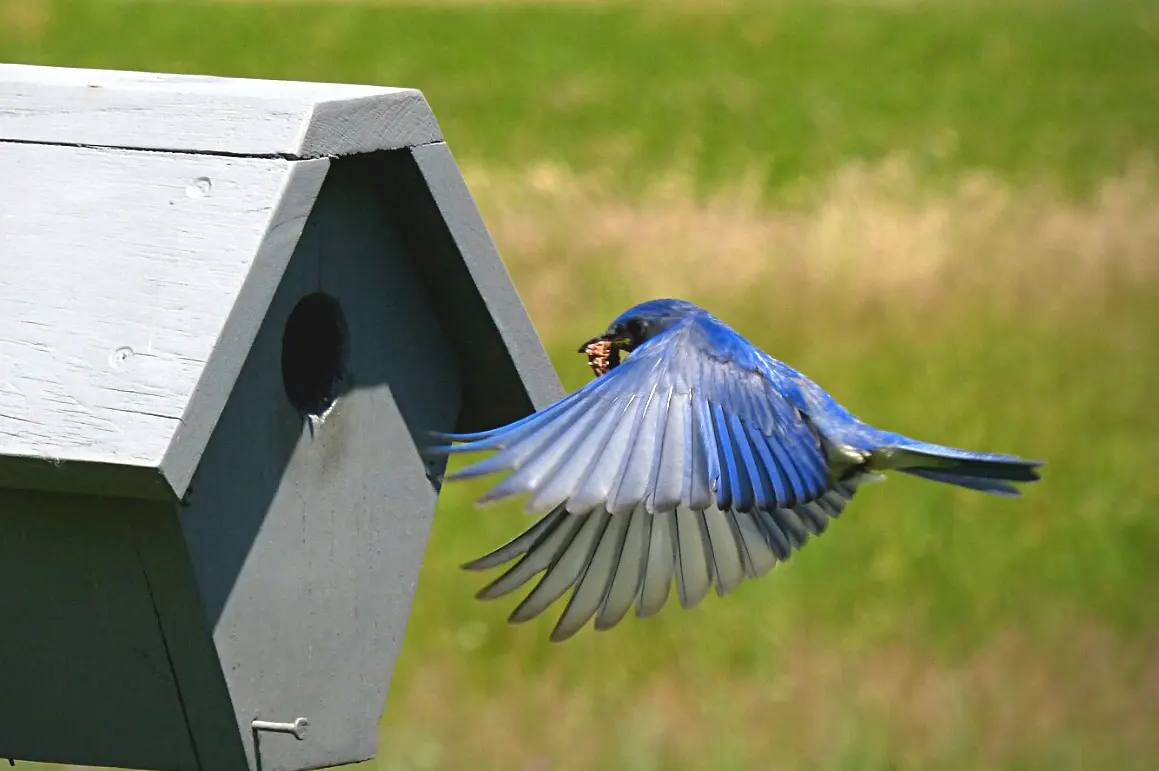
Birds are really tuned in to the seasonal changes; average temperatures and day lengths trigger migrations to and from breeding areas and also amazing physical changes within a bird’s body. Their reproductive organs and digestive systems change to accommodate the needs of the next generation.
Diets change, seed eating birds may eat more fruits and greens, and when actually rearing nestlings, eighty percent of all songbirds rely on insects for the protein necessary for their fast growing offspring.
So, the basics of habitat gardening apply here as well: be sure your garden is a pesticide-free zone maintained using all organic, sustainable methods. Grow a variety of intermingled plant types to provide cover and shelter and food resources in each season, and provide a source of clean water. Letting your plan go to seed, mulching under plantings and leaving leaf litter are all practices that are beneficial for the birds.
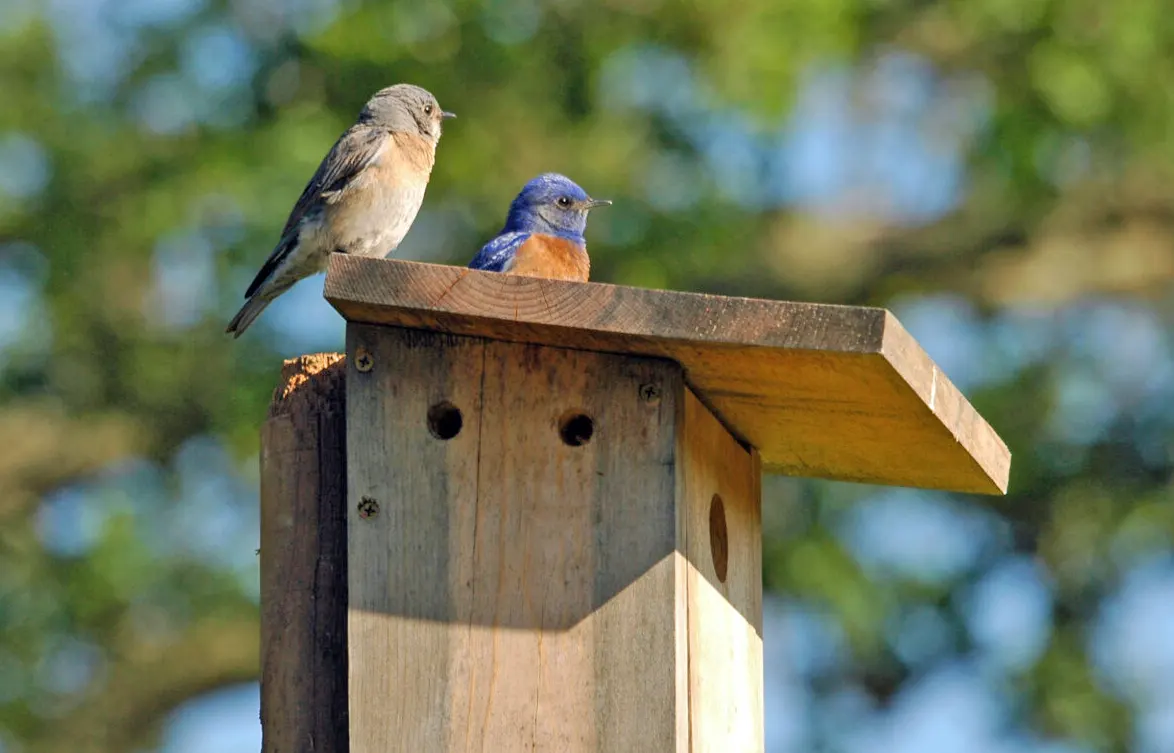
Creating undisturbed brush piles, if it is allowed in your area, is beneficial to ground-nesting birds, and hanging nesting boxes will benefit cavity nesters. Growing various grasses and leaving the chaff after seed set provides nesting materials. Any nests from the previous seasons should be left in place as some birds will reuse old nests or scavenge materials from them.
Birds often return to their natal territories and there’s nothing quite as satisfying to a habitat gardener as knowing that certain wonderful birds will likely return to raise another generation in your resource-rich garden sanctuary!
Recommended Reading
Birds
Raptors of California
Hans and Pam Peeters; UC Press2005
The Genius of Birds
Jennifer Ackerman; Penguin Books2016
The Sibley Guide to Bird Life and Behavior
Edited by Chris Elphick, John B. Dunning, Jr. and David Allen Sibley; Alfred A. Knopf,2001
The Sibley Guide to Birds
David Allen Sibley; Alfred A. Knopf2000
Western Bird’s Nests
Hal H. Harrison; Houghton Mifflin Co.1979
Back to Pollinators Waystation